Managing a commercial construction project while running a business can feel overwhelming. Business owners already juggle leadership, customer service, and cash flow. The last thing they need is constant distractions from the job site.
Unfortunately, many owners end up pulled into construction far more than expected—answering questions, mediating between trades, and reacting to unexpected issues. The difference between a stressful project and a smooth one often comes down to how much responsibility your contractor takes off your plate.
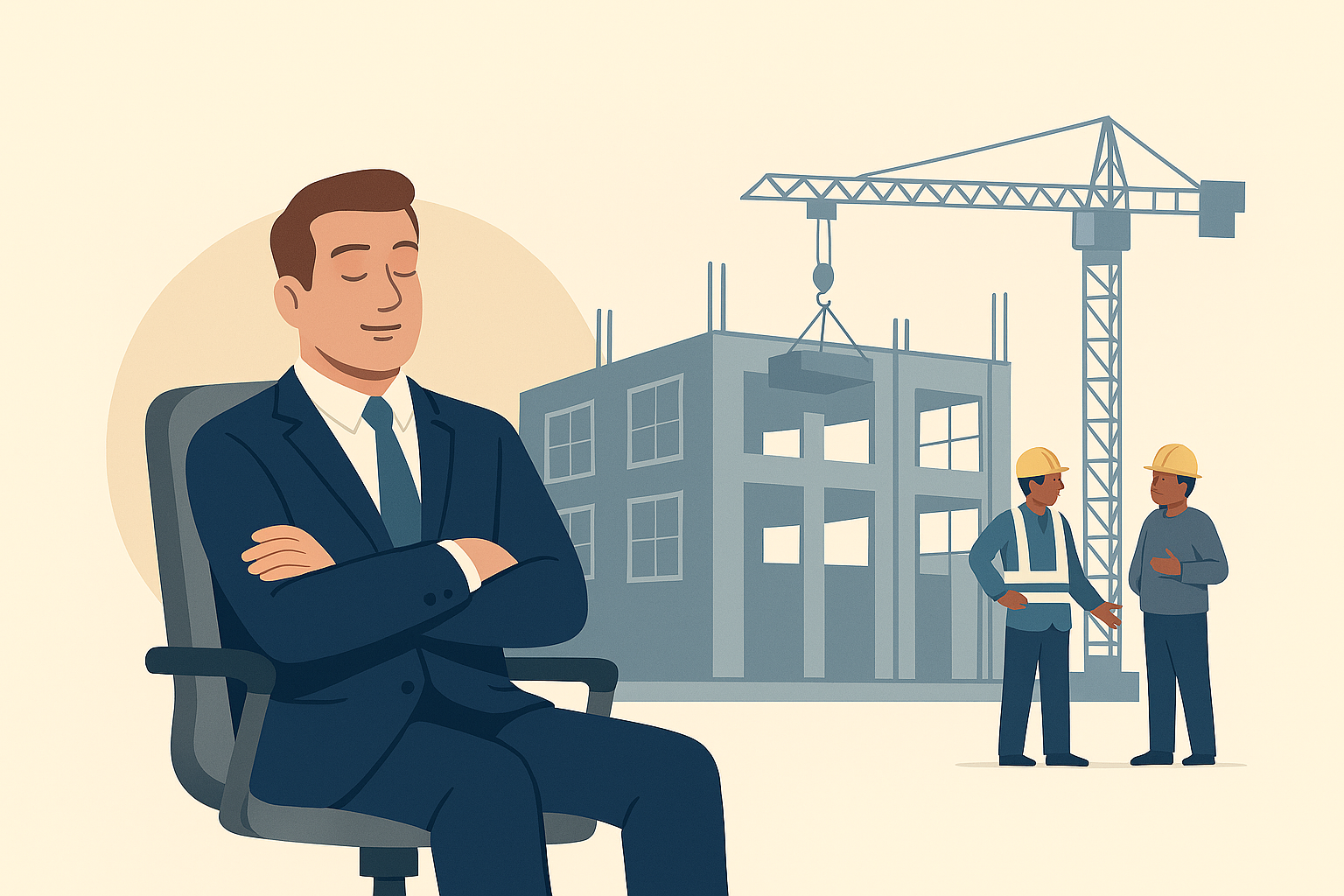
Most disruptions during construction aren’t caused by complexity—they’re caused by poor planning and weak leadership.
For warehouse builds, this might mean questions about access, deliveries, or safety zones. For office renovations, it often shows up as last-minute changes affecting staff schedules or client interactions.
These interruptions aren’t minor—they impact your business operations.
Keeping owners out of daily construction decisions starts before work begins.
A professional commercial contractor invests heavily in preconstruction planning, including:
By resolving these variables early, fewer decisions are pushed downstream. Owners avoid reactive problem-solving because most scenarios are anticipated.
This transforms construction from chaos into controlled execution.
One of the fastest ways to distract a business owner is involving them in coordination.
When owners are copied on every email or asked to resolve trade-level questions, the project becomes noise. A strong construction management partner provides:
Owners stay informed without being overwhelmed.
Success isn’t measured by how busy the job site looks—it’s measured by how smoothly your business runs.
When operations are protected by design, owners aren’t forced to intervene. The business continues to function while progress happens in the background.
Poorly managed projects create decision overload. Well-run projects:
Owners receive predictable updates that explain progress, flag upcoming decisions, and outline implications—keeping them informed without consuming their time.
When a commercial project is handled correctly, feedback is consistent:
Most importantly, the experience didn’t drain their energy—the project supported growth instead of competing with it.
If you’re planning a warehouse build, office renovation, or facility expansion, ask:
These answers determine whether you stay focused on your company—or end up managing a job site.
If you’re planning a commercial construction project, one critical question is: How much of the burden will you carry as the owner?
Download our Owner Protection Checklist to see how well your project structure protects your time and leadership focus.