When it comes to commercial construction projects, urgency often drives the first steps. Space is limited, operations are inefficient, growth has outpaced the facility, or a lease is expiring. Compliance requirements may also be changing, adding pressure to act fast.
In that rush, many business owners focus on drawings, pricing, and timelines. While these details matter, the most successful projects—those that deliver long-term value—start with a different approach: planning with the end in mind.
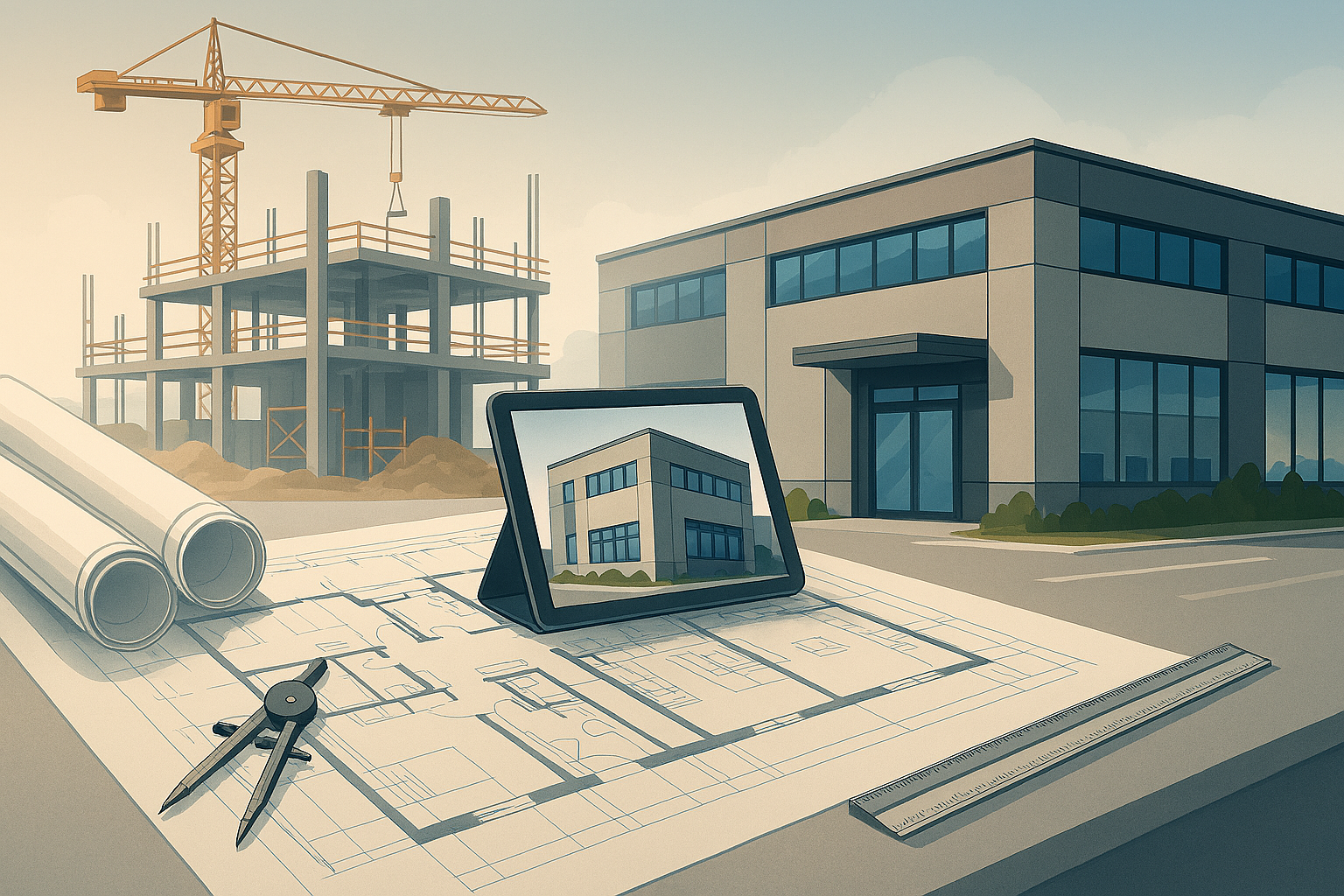
For most owners, success isn’t just about completing a building. It’s about how the finished space supports business operations.
When the end goal is clear, every decision—scope, layout, phasing, scheduling—aligns with how the business will operate day-to-day, not just how quickly the building can be delivered.
Projects that lack clarity from the start often face predictable challenges:
These issues aren’t caused by poor execution—they stem from missing foresight during planning.
Starting with the end in mind shifts the focus from speed to foresight. This means:
For example:
Effective planning turns construction into a controlled process—not a daily interruption.
Defining the end goal strengthens budget discipline. Instead of focusing only on square footage, pricing discussions center on:
This approach reduces costly last-minute changes and provides transparency about where investments matter most.
Projects anchored to clear outcomes communicate more effectively. Updates focus on progress toward business goals, not just site activity. When challenges arise, trade-offs are easier to understand.
For business owners, this means less decision fatigue and more intentional guidance throughout the project.
Not all contractors approach projects this way. Some prioritize speed and cost alone. Others invest time upfront to understand how the finished space must perform for your business.
When planning a warehouse build, office renovation, or facility expansion, ask contractors how they define the end result before construction begins. This question often reveals more than asking how fast they can build.
Commercial construction is one of the most significant investments a business can make. Its impact lasts far beyond the build itself.
At A&L Builders LLC, we believe the best projects start with the end in mind. Our team works to understand your operational goals and design a plan that supports them—before construction begins.
Ready to plan your next project?
✅ Download our Commercial Construction Planning Checklist
✅ Request a Project Review to align your goals, operations, and constraints before work starts.